
-
Difference between controller and extensions in Salesforce?
Difference between controller and extensions?


Log In to reply.

Popular Salesforce Blogs

Discover Innovative Solutions for Salesforce Experience Cloud at Dreamforce 2022
Salesforce has been nothing short of revolutionary, since its inception. As the world’s #1 CRM platform, it has connected organizations across the globe with their…


Automation studio in Marketing cloud
Automation Studio - Automation Studio makes Marketing Cloud email sends, queries, imports, and more happen automatically. Automation Studio is a Salesforce Marketing Cloud application used…


Salesforce Product : Health Cloud
On huge focus upon the healthcare industry the world's #1 CRM Salesforce has introduced something best product which is termed as Health Cloud. A product…

Popular Salesforce Videos

Web to Case Functionality in Salesforce | All You Need to Know
This video discusses the functionality of Web to Case in Salesforce, which allows website users to submit inquiries or information that can be converted into…

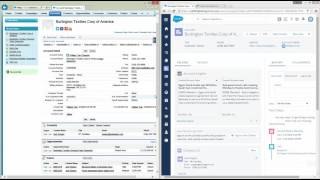
Transition to Salesforce Lightning Experience
Transition to Salesforce Lightning Experience for Overall Navigation, Global Search, Home Page, Accounts, Leads and Opportunities. This video walks you through the recommended process, including…


Salesforce Mobile Publisher Demo
With Salesforce Mobile Publisher, you can create pixel-perfect mobile applications for employees, customers, and partners. Check out this video and learn all you need to…
