
-
Trigger in salesforce
How to restrict any Trigger to fire only once OR how we can avoid repeated or multiple execution of Trigger?


Log In to reply.

Popular Salesforce Blogs

Your 1st Step to become a Salesforce Certified Platform Developer 1 [Exam Notes]
Are you one among the many who endeavour to become a proficient Salesforce Developer? Then, this would be your first step after the completion of…


How to Properly Implement a Salesforce Deduplication Feature: 5 Tips You Need to Follow
If your company is like many others struggling with duplicates in Salesforce, you are actively looking for solutions that can solve this problem. When you…


Read this before you choose your Salesforce Consultant
So, you’ve decided on Salesforce, the World’s #1 CRM as your preferred Cloud computing platform, which is a great choice! Salesforce is one of most comprehensive CRM…

Popular Salesforce Videos
Security for Salesforce Developers: Data Security
In this series, we review the most important concepts that developers must understand to create secure applications on the Salesforce platform. We talk about data…

MailChimp Salesforce Integration
The MailChimp and Salesforce integration allow you to start creating email campaigns from the leads and contacts in your Salesforce CRM. With the integration, it becomes easy to create list segmentation…

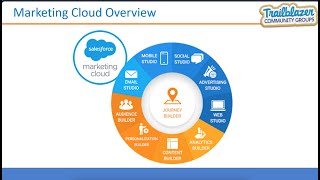
Introduction to Salesforce Marketing Cloud
Hello Everyone, In this video, by Amit Singh, we will talk about the basic introduction of the Marketing Cloud in Salesforce. Watch the video and…
